
A Guide To Keeping Tortoises Outdoors
Here I go over everything you need to think about, and have/provide for your tortoises. I'm focusing mainly on Sulcata tortoises in this post, but this information goes for most any species. I live in Georgia, so keep that in mind. As weather is much more conducive to keeping them outdoors here.
8/17/20266 min read
Everything You Need to Keep a Sulcata Tortoise Outdoors!
As an Amazon associate, I earn on qualifying purchases at no extra cost to you
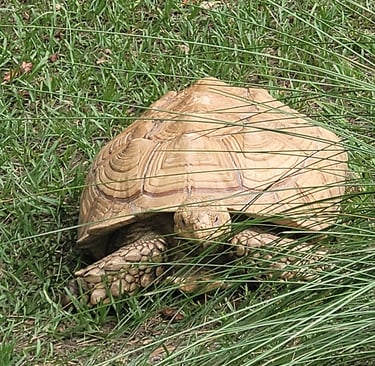
Sulcata tortoises (also known as African spurred tortoises) are one of the most rewarding reptiles to keep, but they are also one of the largest. These incredible reptiles can live well over 70 years and grow to more than 100 pounds, making proper outdoor housing essential for their long-term health and happiness.
If you're planning to keep a Sulcata tortoise outdoors, this guide covers everything you need—from fencing and shelters to heating, feeding, and daily care.
Why Sulcata Tortoises Thrive Outdoors
Sulcata tortoises are native to the hot, dry regions of northern Africa. They thrive in warm climates with access to natural sunlight, plenty of space to roam, and room to graze. Outdoor enclosures provide the exercise, UVB exposure, and enrichment they need to stay healthy.
Benefits of outdoor housing include:
Natural sunlight for Vitamin D3 production
More room for exercise
Better grazing opportunities
Reduced stress
More natural behaviors such as digging and basking
1. A Large Secure Outdoor Enclosure
The first thing every Sulcata needs is space.
These tortoises grow incredibly fast and become extremely strong. Small pens are quickly outgrown. My largest sulcata enclosure is 2500 sq feet.
A good enclosure should include:
Plenty of grazing space
Secure fencing
Safe plants
Multiple shaded areas
Easy access to clean water
Many keepers start with an 8x8 foot enclosure for juveniles, but adults often require several hundred square feet or even a large fenced yard.
2. Strong Tortoise-Proof Fencing
Sulcatas are expert escape artists.
They push.
They dig.
They climb surprisingly well.
Your fencing should:
Be at least 18–24 inches underground
Stand 18–24 inches above ground for young tortoises
Be 24–36 inches or taller for adults
Prevent visibility through the fence to reduce pacing
Popular fencing materials include:
Wood privacy fencing
Concrete blocks
Landscape timbers
Composite fencing
Many say avoid chain-link fencing because many Sulcatas continually try to walk through it, but a visual barrier on the bottom 2 ft of the fence will deter that. Truth be told, I still see mine pace a solid wall just as much as one they can see through. At the bottom of my fence I have a combination of cross ties and tin for sight barriers as well as about 30-inch sections of rebar every 10 inches to strengthen the fence and to prevent tortoises from digging out.
3. A Warm, Dry Tortoise House
Even in warm climates, Sulcatas need a weatherproof shelter.
Their house should protect them from:
Rain
Cold temperatures
Wind
Humidity
Many keepers build insulated tortoise sheds or convert small storage sheds.
Inside the shelter provide:
Dry flooring
Straw or orchard grass bedding (if appropriate for your climate)
Good ventilation
4. Reliable Heating for Cool Weather
Sulcata tortoises cannot tolerate prolonged cold temperatures.
Most keepers use:
Oil-filled heaters (inside insulated sheds)
Pig blanket heaters designed for livestock
Always connect heating equipment to a quality thermostat to maintain safe temperatures and avoid overheating.
Recommended temperatures:
Shelter: 80–90°F
Basking area: 95–100°F
Night temperatures: ideally above 70°F for younger tortoises
5. A Thermostat
One of the most important pieces of equipment is a thermostat.
A thermostat:
Prevents overheating
Saves electricity
Keeps temperatures stable
Helps protect heating equipment
Without one, temperatures inside a tortoise house can quickly become dangerous.
6. Digital Thermometers and Temperature Gun
Never guess temperatures.
Use:
Digital thermometer with probes
Hygrometer to monitor humidity
Checking temperatures regularly ensures your tortoise stays comfortable throughout the day.
7. Natural Sunlight
Sunlight provides essential UVB rays that help Sulcata tortoises produce Vitamin D3, allowing them to properly use calcium.
Outdoor tortoises usually receive all the UVB they need naturally.
Provide:
Sunny basking areas
Partial shade
Trees or shade structures
The tortoise should always be able to choose between sun and shade.
8. Fresh Water Every Day
Although Sulcatas come from dry environments, they still require constant access to clean drinking water.
Choose a shallow water dish that:
Is easy to enter
Is easy to clean
Cannot tip over
Replace water daily.
Many keepers also soak young Sulcatas several times each week to support hydration.
9. Proper Diet
A healthy Sulcata diet consists mostly of grasses and weeds.
Excellent foods include:
Bermuda grass
Orchard grass
Bahia grass
Dandelion
Plantain weeds
Clover (in moderation)
Hibiscus leaves and flowers
Mulberry leaves
Avoid excessive fruit and high-protein foods.
A high-fiber diet promotes healthy shell growth and proper digestion.
10. Calcium Supplement
Calcium supports:
Strong shell growth
Healthy bones
Proper muscle function
Young tortoises often benefit from lightly dusting food with calcium powder several times per week.
Adult tortoises grazing outdoors generally require less supplementation but should still have access to calcium sources as recommended for their diet and environment.
11. Cuttlebone
Many keepers leave a cuttlebone inside the enclosure.
Benefits include:
Extra calcium
Natural beak trimming
Safe chewing enrichment
Many Sulcatas will nibble on it whenever they feel the need.
12. Safe Grazing Plants
Planting edible vegetation can reduce feeding costs while providing enrichment.
Popular choices include:
Bermuda grass
Prickly pear cactus (spineless varieties)
Mulberry
Grape leaves
Mallow
Dandelions
Chickweed
Plantain weeds
Rose of sharon
Avoid toxic ornamental plants, and always verify plant safety before adding them to the enclosure.
13. Shade Areas
Shade is just as important as sunshine.
Use:
Trees
Bushes
Wooden shelters
Large rocks
Sulcatas regulate their body temperature by moving between sunny and shaded areas.
14. Digging Areas
Digging is a natural instinct.
Provide areas with natural soil where your tortoise can:
Dig burrows
Cool down
Explore naturally
Avoid substrates that stay constantly wet.
15. Daily Health Checks
Spend a few minutes each day checking your tortoise.
Look for:
Bright eyes
Clear nose
Normal appetite
Strong walking
Healthy shell
Clean vent
No injuries
Early detection can prevent many serious health problems.
16. Predator Protection
Young Sulcatas are vulnerable to predators.
Potential threats include:
Dogs
Coyotes
Hawks
Raccoons
Foxes
Use secure fencing and consider covered enclosures for hatchlings and small juveniles.
17. Seasonal Planning
Depending on your climate, you may need to adjust care throughout the year.
During cooler months:
Increase shelter heating
Monitor temperatures more frequently
Keep the shelter dry
Limit exposure to cold, wet weather
In warmer months:
Ensure plenty of shade
Refresh water often
Watch for signs of overheating
Planning ahead helps keep your tortoise comfortable year-round.
Frequently Asked Questions
Can Sulcata tortoises live outside year- round?
In warm climates where temperatures remain suitable and a heated shelter is available, many Sulcata tortoises can live outdoors year-round. In colder regions, they often need additional protection or indoor housing during winter.
How big should an outdoor enclosure be?
Bigger is always better. Adult Sulcatas benefit from several hundred square feet or more to roam, graze, and exercise.
Do outdoor Sulcatas still need UVB lights?
If they receive regular, unfiltered natural sunlight, supplemental UVB lighting is generally unnecessary.
What temperature is too cold?
Young Sulcatas are especially sensitive to cold. Prolonged exposure to temperatures below about 70°F can lead to health issues, while adults also need protection from extended cold and damp conditions. Here in Georgia, I find Sulcatas to be much hardier, and don't give extra heat till temps drop below 55. As long as they have time to bask on sunny days with ambient temps above 75, they are able to warm their core temperature, so a brief cool down to 55 isn't going to harm them, it actually helps mimic seasonal temperature swings they would find in their natural range . Once temps drop below 50 I provide heat, Which Ive gone over earlier in this post.
Final Thoughts
Keeping a Sulcata tortoise outdoors is one of the best ways to provide a healthy, enriching life for these gentle giants. A spacious enclosure, sturdy fencing, a warm insulated shelter, reliable heating, fresh water, a high-fiber diet, and regular health checks are the foundation of excellent care.
With proper planning and the right equipment, your Sulcata tortoise can thrive outdoors for decades, rewarding you with fascinating behaviors and becoming a lifelong companion. Investing in quality housing, safe heating, nutritious food, and durable enclosure supplies from the start will make caring for your tortoise easier and help ensure a long, healthy life.




Stay in touch
Get updates on tortoises, chickens, and blooms
Contact
Connect
© 2025. All rights reserved.